




In the traditional corporate narrative, leadership is treated as a destination—a specific office, a higher pay grade, or a new set of direct reports. We are taught that once we reach a certain level of seniority, we are “given” the mantle of leadership. However, in the interconnected, AI-augmented workplace of 2026, this definition is becoming dangerously obsolete.
The truth is that leadership is not a rank; it is a choice. You don’t wait for a title to lead; you lead so that the title eventually becomes a formality. This transition from being an “excellent doer” to an “effective leader” requires a fundamental leadership mindset shift. It is a transformation from finding the answers to asking the right questions, and from personal achievement to collective success.
1. The "Expert" Trap: From Doing to Enabling
The most difficult part of the leadership mindset shift is letting go of the very skills that got you promoted in the first place. Most professionals are promoted because they were the best engineers, marketers, or analysts on the team. Naturally, their instinct is to keep “doing” the work.
The Reality: A leader who remains the “chief doer” becomes a bottleneck. If you are the smartest person in every meeting, your team stops thinking and starts waiting for your instructions.
The Shift: You must move from “Subject Matter Expert” to “Architect of Environment.” Your job is no longer to solve the problem, but to ensure that your team has the resources, clarity, and psychological safety to solve it themselves.
2. The Three Dimensions of the Leadership Mindset Shift
To successfully navigate this transition, you must master three distinct psychological pivots:
Dimension 1: From Authority to Influence
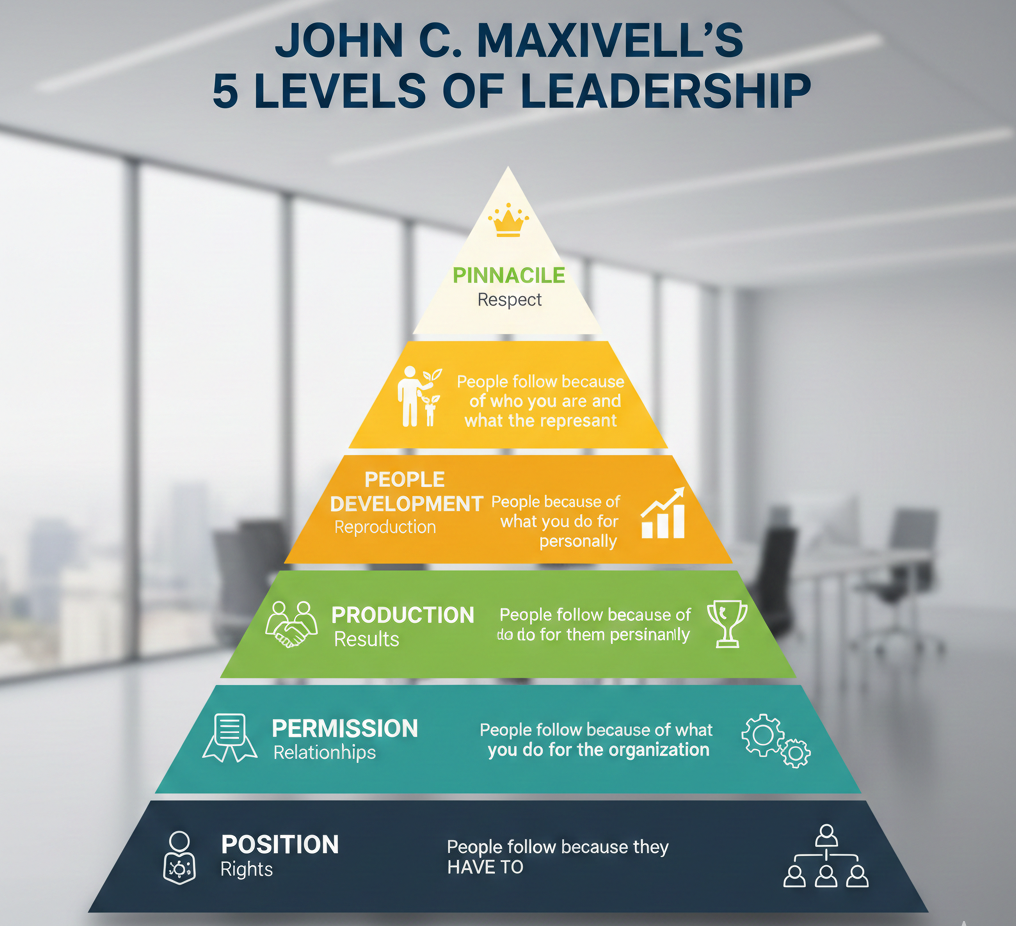
In the past, leadership relied on “Positional Power” (I am the boss, so you listen). Today, leadership relies on “Referent Power” (You listen because you trust my vision). The leadership mindset shift requires you to stop relying on your title and start building a “bank account” of credibility and empathy with your peers and reports.
Dimension 2: From Tactical to Strategic
An individual contributor focuses on the how and the now. A leader must focus on the why and the next. This doesn’t mean ignoring the details, but it does mean viewing every task through the lens of long-term organizational goals.
Dimension 3: From Individual Credit to Team Success
When you are a contributor, your dopamine hit comes from your own performance review. As a leader, your success is a “lagging indicator” of your team’s performance. If they win, you win. If they fail, it is your failure. This requires a profound ego-reduction.
3. Emotional Intelligence (EQ) as a Core Survival Skill
You cannot achieve a leadership mindset shift without a high degree of self-awareness. Leaders must navigate the “Emotional Contagion”—the fact that their mood and reactions set the tone for the entire department.
The Strategy: Practice “Tactical Pause.” When a crisis hits, the team looks at the leader’s face before they look at the data. If the leader panics, the team panics. Leading with a calm, analytical mindset—even when you don’t have all the answers—is a hallmark of a mature leadership perspective.
4. Comparison: The Individual Contributor vs. The Leader
| Feature | Individual Contributor | The Leadership Mindset Shift |
| Primary Goal | Executing tasks flawlessly. | Developing people and strategy. |
| Communication | Providing status updates. | Providing context and inspiration. |
| Problem Solving | “I’ll fix it myself.” | “Who on the team can grow by fixing this?” |
| Time Horizon | Today / This week. | This quarter / Next year. |
| Source of Pride | Personal technical brilliance. | The team’s autonomy and growth. |
5. Embracing "Radical Candor" and Feedback
One of the most uncomfortable parts of the leadership mindset shift is the transition from “friend” to “coach.” Many new leaders struggle with the fear of being disliked, which leads to vague feedback and avoided conversations.
The Strategy: Understand that “clear is kind.” Withholding feedback to protect someone’s feelings is actually an act of self-interest (you are protecting your feelings from the discomfort of the talk). A true leader provides high-challenge, high-support feedback because they are invested in the other person’s professional evolution.
6. The "Sovereignty of Responsibility"
In an individual role, you can often point to external factors when things go wrong—the software glitched, the client was difficult, or the deadline was unrealistic.
The leadership mindset shift demands “Extreme Ownership.” Even if a mistake was made by a junior employee, the leader asks: “How did I fail to provide the training, clarity, or oversight to prevent this?” When you stop blaming others, you regain the power to change the outcome.
7. Navigating the "Loneliness" of the Shift
There is an inherent social cost to leadership. You can no longer participate in the “communal venting” or office gossip that you might have enjoyed as a peer. This distance isn’t about being “better” than the team; it’s about maintaining the objectivity required to make fair decisions.
The Solution: Find a “Peer Circle” outside your direct reporting line. You need a space where you can be vulnerable and seek advice from others who are navigating the same leadership mindset shift.
8. Leadership in the Age of AI
In 2026, a significant part of leadership is “human-machine orchestration.” Leaders must now decide which tasks are best for human creativity and which are for algorithmic efficiency.
The Shift: You aren’t just leading people; you are leading workflows. The leadership mindset shift now includes “Digital Fluency”—the ability to guide a team through technological disruption without losing the human element that drives engagement.
9. The "Servant Leadership" Paradox
We often think of leaders as being “at the top.” In reality, a successful leadership mindset shift flips the pyramid. The leader is at the bottom, supporting the weight of the organization.
If you view your team as people who work for you, you will eventually face resistance. If you view your team as people you work for—removing their obstacles and clearing their path—you will achieve unprecedented loyalty and performance
10. How to Trigger Your Own Leadership Mindset Shift
You don’t need a promotion to start this process. You can begin tomorrow by:
Seeking Out Mentorship: Ask a leader you admire about their biggest failures, not their successes.
Practicing “Active Listening”: Spend more time listening than talking in your next three meetings.
Taking Initiative: Solve a problem that isn’t in your job description, but would benefit the entire team.
Adopting a “Growth Mindset”: Treat every conflict as a learning opportunity rather than a personal attack.
The Infinite Game of Leading
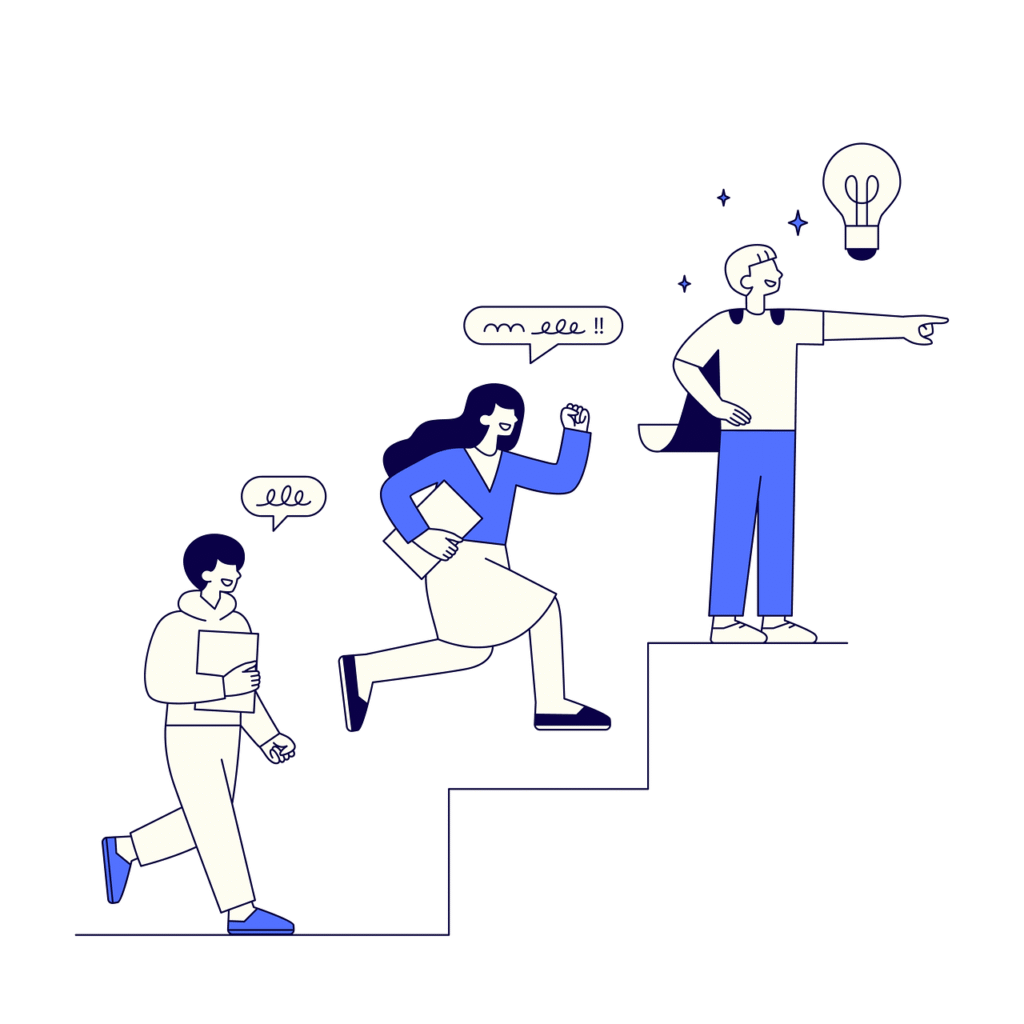
A promotion is a one-time event, but the leadership mindset shift is a lifelong practice. You never “arrive” at being a perfect leader; you simply become more attuned to the needs of your team and the goals of your organization.
By detaching your ego from your technical skills and attaching it to the growth of others, you unlock a level of professional fulfillment that no title can provide. Leadership is the art of making yourself obsolete by empowering everyone around you to be their best. When you stop looking for the “boss” in the mirror and start looking for the “coach,” you’ve officially made the shift.
FAQ
Q: Can I have a leadership mindset shift if I’m an introvert? A: Absolutely. Some of the greatest leaders in history were introverts. Leadership isn’t about being the loudest person in the room; it’s about being the most thoughtful, observant, and supportive. Introverts often excel at the “Listening” and “Empathy” components of leadership.
Q: What if my manager doesn’t support my growth into leadership? A: Lead anyway. Lead your peers, lead your projects, and lead yourself. A leadership mindset shift makes you more valuable to the entire market, not just your current company. If your current environment won’t recognize it, the next one certainly will.
Q: How do I handle the transition from “peer” to “boss”? A: Acknowledge the “elephant in the room.” Have a 1-on-1 with your former peers. Say: “Our relationship is changing, and I’m still learning how to be a good advocate for you. I need your honest feedback as we navigate this.” Transparency builds more trust than pretending nothing has changed.
Q: Does every professional need a leadership mindset shift? A: While not everyone wants to manage people, everyone benefits from “Personal Leadership.” Taking ownership of your career, your habits, and your influence is a version of the leadership mindset shift that applies to every role.