




In the modern corporate landscape, the average adult makes roughly 35,000 decisions a day. For most, these choices are as mundane as picking a coffee blend or choosing a Spotify playlist. However, for those in high-pressure roles—surgeons, CEOs, air traffic controllers, and emergency responders—each choice carries the weight of a thousand smaller ones.
This relentless cognitive demand leads to a phenomenon known as decision fatigue in high-pressure jobs. It is the silent predator of productivity, turning once-sharp executives into indecisive bystanders and leading to “choice paralysis” that can have devastating real-world consequences.
Understanding the Mechanics: What is Decision Fatigue?
Decision fatigue is not the same as physical tiredness, though they often hold hands. It is a psychological state where the quality of decisions deteriorates after a long session of decision-making. Think of your willpower and cognitive focus as a battery. Every time you weigh options, navigate a conflict, or prioritize a task, a few percentage points of that battery drain.
In high-pressure environments, the “drain” is accelerated. When the stakes are high, the brain utilizes more glucose and neural resources to process potential risks.
The Biology of the “No”
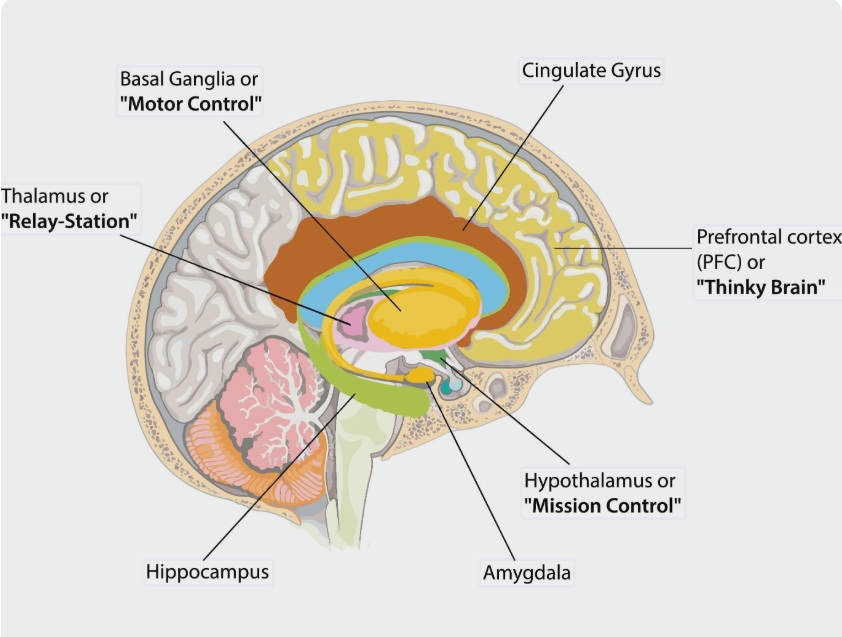
Research suggests that as the prefrontal cortex tires, the brain begins to look for shortcuts. These shortcuts usually manifest in two ways:
Recklessness: Making impulsive choices without weighing long-term consequences.
Avoidance: Postponing the decision indefinitely, which often results in “decision by default.”
The High-Pressure Paradox: Why Success Breeds Exhaustion
One might assume that high-level professionals are better equipped to handle stress. While they often possess high emotional intelligence, the sheer volume of decision fatigue in high-pressure jobs acts as a leveling field.
1. The Burden of “Micro-Decisions”
It’s rarely the “Big Strategy” meeting that breaks a leader; it’s the 400 emails, the Slack pings, and the constant “Got a minute?” interruptions. These micro-decisions erode the cognitive reserve needed for the macro-decisions.
2. Emotional Labor
High-pressure jobs often involve managing people. Deciding how to deliver bad news or how to mediate a team conflict requires intense emotional regulation. This “emotional labor” is significantly more taxing than logical problem-solving.
3. The Fear of Repercussions
In a high-stakes environment, the cost of a mistake is visible. This hyper-vigilance keeps the brain in a state of “high beta” waves—useful for short bursts of crisis, but unsustainable for an eight-hour workday.
The Symptoms: How to Spot the Decline
If you are navigating decision fatigue in high-pressure jobs, you might not notice it until the damage is done. Keep an eye out for these psychological red flags:
Analysis Paralysis: Spending an hour debating something that should take five minutes.
Irritability: Snapping at colleagues over minor logistical hiccups.
Decision Avoidance: Piling up “to-do” lists with items that require a final “yes” or “no.”
Physical Exhaustion: Feeling a deep sense of lethargy despite a full night’s sleep.
Impulse Spending or Eating: When the brain’s “executive” is tired, the “impulse” center takes over.
The Science of the "Ego Depletion" Theory
Social psychologist Roy F. Baumeister coined the term “ego depletion” to describe the state where our self-control and decision-making abilities are diminished. While the theory has been debated in recent years, its core premise remains highly relevant to decision fatigue in high-pressure jobs.
The brain is an organ with limited energy. When we use that energy to resist an urge (like not checking your phone during a meeting) or to make a complex choice (like a budget reallocation), we have less energy left for the next task.
Strategies to Combat Decision Fatigue
To survive and thrive in high-stakes environments, you must treat your decision-making capacity as a finite resource. Here is how the world’s most successful people manage their cognitive load.
1. Radical Routine (The “Uniform” Strategy)
You’ve likely heard that Steve Jobs wore the same black turtleneck every day, and Barack Obama wore only gray or blue suits. This wasn’t a lack of fashion sense; it was a tactical strike against decision fatigue in high-pressure jobs. By automating low-stakes choices (what to wear, what to eat for breakfast), you save your “battery” for the boardroom.
2. Eat the Frog: The Morning Priority
The brain is freshest in the morning. High-pressure professionals should tackle their most complex, high-impact decisions before 11:00 AM. By the afternoon, the “glucose” of your willpower is likely running low.
3. The 70% Rule
Jeff Bezos famously utilizes the 70% rule: Most decisions should probably be made with somewhere around 70% of the information you wish you had. If you wait for 90%, in most cases, you’re being slow. In high-pressure roles, perfectionism is a direct route to fatigue.
4. Scheduled “No-Decision” Zones
Block out 90 minutes in your calendar where you do not answer emails, take calls, or give approvals. Use this time for “deep work” or simply to let the prefrontal cortex recharge.
The Role of Nutrition and Sleep
You cannot separate the mind from the body when discussing decision fatigue in high-pressure jobs.
The Glucose Factor: Low blood sugar is a fast track to poor choices. This is why “hangry” decisions are usually regrettable. Stable, low-glycemic meals keep your brain fueled without the “crash.”
The Sleep Debt: Lack of sleep mimics the effects of alcohol on the brain. A sleep-deprived leader is effectively making decisions while “cognitively intoxicated.”
Long-Term Impact: Burnout vs. Resilience
If left unchecked, chronic decision fatigue in high-pressure jobs leads directly to burnout. Burnout isn’t just “working a lot”; it is a total collapse of interest and efficacy.
Building resilience requires a cultural shift within organizations. It means moving away from the “always-on” mentality and recognizing that a leader’s value is not found in how many decisions they make, but in the quality of those decisions.
Case Study: The Medical Field
Surgeons provide a fascinating look at this psychology. Studies have shown that surgeons are more likely to take “the path of least resistance” or stick to conservative treatments as their shift progresses. To counter this, many hospitals have implemented “decision checklists” and mandatory hand-offs to ensure that a fresh mind is always at the helm during critical moments.
Reclaiming Your Mental Clarity
The psychology of decision fatigue in high-pressure jobs tells us that we are not machines. Our judgment is a delicate instrument that requires calibration, rest, and conscious management. By reducing the number of trivial choices you make daily, prioritizing high-impact tasks early, and respecting your biological limits, you can maintain your edge in even the most high-stakes environments.
Success isn’t about deciding everything; it’s about deciding what matters.