




The siren song of independent work—freelancing, consulting, or starting a solo venture—is the promise of “freedom.” Freedom from the 9-to-5, freedom from a boss, freedom to set your own hours, and freedom to work from anywhere. It’s a powerful vision, one that has driven millions to leave traditional employment, especially in the wake of the global shift towards remote work in 2026.
However, like any powerful promise, “freedom” comes with a hidden price tag. Before you leap into the world of independent work, it’s crucial to understand the true cost of freelancing. It’s not just about losing a steady paycheck; it’s about trading one set of constraints for another, often less visible, set of demands that can challenge your finances, your time, and even your mental health.
1. The Invisible CEO: You Are the Entire Organization
When you are a freelancer, you don’t just “do the work.” You become the CEO, CFO, Head of Sales, Marketing Director, IT Support, and HR Department, all rolled into one. This multi-hat wearing is perhaps the most significant, and often underestimated, aspect of the true cost of freelancing.
Sales: You must constantly prospect, pitch, and close deals.
Marketing: You need to build your brand, manage social media, and create content.
Administration: Invoicing, accounting, contract management, and legal compliance fall squarely on your shoulders.
Professional Development: You fund your own training, software, and tools.
This means that for every hour you spend on billable work, you might spend another 1-2 hours on non-billable, essential business operations.
2. The Financial Volatility: Beyond the Paycheck
The most obvious sacrifice in independent work is the stable income. What many overlook is the depth of this financial volatility. It’s not just that your income fluctuates; it’s that you lose a raft of corporate benefits that add up to significant hidden costs.
Health Insurance: A major expense, often hundreds or thousands of dollars a month.
Retirement Contributions: No more employer match; you’re solely responsible for saving.
Paid Time Off: Every sick day, every vacation, every holiday is an unpaid day.
Taxes: As a self-employed individual, you pay both the employer and employee portions of social security and Medicare taxes (self-employment tax), which can be an additional 7.65% on top of your income tax.
Understanding these non-salary costs is key to grasping the true cost of freelancing. Your hourly rate needs to be significantly higher than your corporate equivalent just to break even on benefits.
3. The "Always On" Syndrome: Trading Hours for Pressure
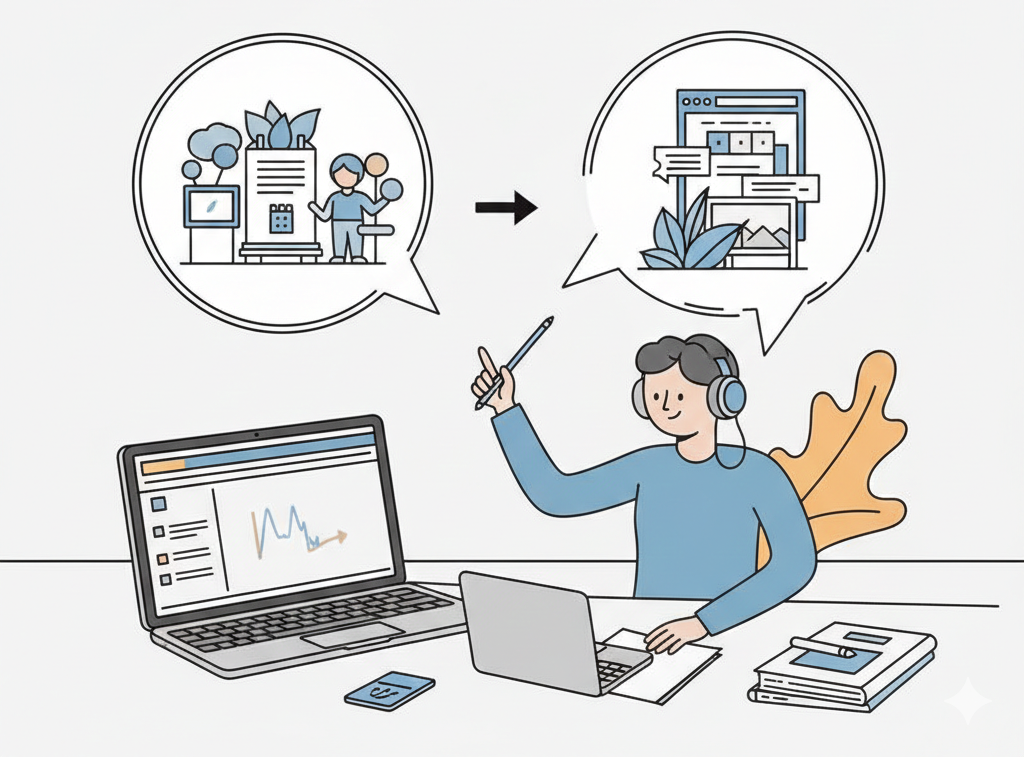
The promise of “setting your own hours” often translates to “working all the hours.” While you have the flexibility to choose when you work, the pressure to deliver, manage client expectations, and constantly seek new business often means you work more, not less.
Client Demands: Your “boss” is now multiple clients, each with urgent requests.
Fear of Missed Opportunity: You might take on too much work out of fear that the well will run dry.
Blurred Lines: The distinction between work and personal life disappears when your office is your home and your schedule is fluid.
This “always on” mentality is a significant part of the true cost of freelancing for many, leading to burnout if boundaries aren’t meticulously enforced.
4. The Psychological Toll: Isolation and Imposter Syndrome
Independent work can be incredibly lonely. You miss the camaraderie of colleagues, the casual brainstorming, and the built-in support system of a team.
Isolation: No water cooler chats, no team lunches. You are often alone with your thoughts and your screen.
Imposter Syndrome: Without external validation from a manager or team, it’s easy to question your skills and value, especially during lean periods.
Decision Fatigue: Every decision, big or small, falls to you. This constant mental load can be exhausting.
These are the often-unspoken psychological aspects of the true cost of freelancing.
5. Comparison: Corporate "Security" vs. Freelance "Freedom"
| Feature | Corporate Employee | Independent Worker |
| Income Stability | High, predictable | Low, volatile |
| Benefits | Health, Retirement, PTO included | Self-funded, significant expense |
| Workload | Defined role, limited scope | Multi-faceted, all-encompassing |
| Social Structure | Built-in team, colleagues | Often isolated, self-motivated |
| Growth Path | Structured career ladder | Self-defined, self-funded |
| Hidden “Cost” | Office politics, bureaucracy | Admin burden, sales efforts |
6. The "Passion Project" Illusion
Many are drawn to independent work to pursue their “passion.” While this is a noble goal, the reality of running a business around your passion can quickly turn joy into drudgery.
Client-Driven vs. Passion-Driven: You often have to take on work you don’t love just to pay the bills, diluting the “passion” aspect.
Monetizing Creativity: The act of selling your creative output can feel like compromising your artistic integrity.
The true cost of freelancing with a passion project is realizing that turning your hobby into a job often kills the joy of the hobby itself.
7. The Continuous Learning Curve: No Stagnation Allowed
In independent work, stagnation is death. You must constantly update your skills, learn new tools, and adapt to market changes. There’s no corporate training budget; it all comes out of your pocket and your time.
Industry Trends: Staying ahead requires constant research.
Tech Adaptability: New software, AI tools, and platforms emerge daily.
Marketing Evolution: SEO, social media algorithms, and content strategies are always shifting.
This perpetual need for self-improvement and investment is an ongoing true cost of freelancing that often goes uncalculated.
8. The Illusion of Control: Clients Still Dictate
While you don’t have a “boss,” your clients effectively become multiple bosses. They dictate deadlines, scope changes, and often, payment terms.
Negotiation Power: Especially when starting out, you might have less leverage than you think.
Payment Delays: Chasing invoices is a common, frustrating part of the job.
Scope Creep: Clients often request “just one more thing” without additional payment.
True control is hard-won and takes significant experience to achieve.
9. The Exit Strategy Dilemma
For employees, there’s often a clear path: promotion, lateral move, or retirement with a pension. For independent workers, what’s the exit strategy?
Selling Your Business: If you haven’t built a scalable, sellable asset, your “business” is often just you.
Retirement: Without a pension or 401k match, you need to be extremely disciplined about saving.
Getting Back into Corporate: If you decide independent work isn’t for you, there can be a perception gap for recruiters.
This long-term planning, or lack thereof, is another crucial element of the true cost of freelancing.
10. The Ultimate Trade-Off: Freedom for Responsibility
Ultimately, the “freedom” of independent work is not freedom from responsibility; it is freedom to choose your responsibilities. You trade the rigid structure of corporate life for the absolute, all-encompassing responsibility of your own success or failure.
If you are ready to embrace all the hats, the financial swings, the isolation, and the relentless learning, then the true cost of freelancing might be a price worth paying for the autonomy it provides. But if these hidden costs come as a surprise, it’s vital to re-evaluate whether independent work is truly the right path for you.
FAQ
Q: Is it always more expensive to be self-employed due to benefits? A: Not always, but it requires careful budgeting. A high-earning freelancer might have enough income to cover benefits easily. The key is to factor these costs into your pricing from day one.
Q: How can I reduce the isolation of independent work? A: Actively seek out co-working spaces, professional communities (online or local), industry events, and virtual accountability partners. Build your own “water cooler.”
Q: Should I start freelancing as a side hustle first? A: Highly recommended! Starting as a side hustle allows you to test your market, build a client base, and save an emergency fund without immediately incurring the full true cost of freelancing.
Q: What is the most important skill for a successful independent worker? A: Self-discipline. Without a boss, you are entirely reliant on your own ability to set goals, manage time, and stay motivated.